
Before you decide what you think about AI, read this
AI has been in the news a lot in the past weeks.
I have a question for you.
When you think about AI, what do you see first?
Do you see possibility?
A tool that could make us more productive, accelerate scientific discovery, eliminate tedious work and give ordinary people capabilities they never had before?
Or does your mind go somewhere else?
Job losses. Deepfakes. Bias. Concentrated corporate power. Environmental costs. Humans becoming increasingly dependent on machines we don't fully understand.
Maybe you are somewhere in between.
But here's the more interesting question:
Why do you see what you see?
I've been thinking about this a lot lately because I've started facilitating the AI Stewardship Practice Program (AISPP).
And one of the things I appreciate most about the program is that it doesn't begin by telling people what to think about AI.
It asks them to slow down long enough to notice how they are thinking about it.
When I personally went through the program this year, this was the most important outcome that has fundamentally guided how I use AI today.
We are all looking through a lens
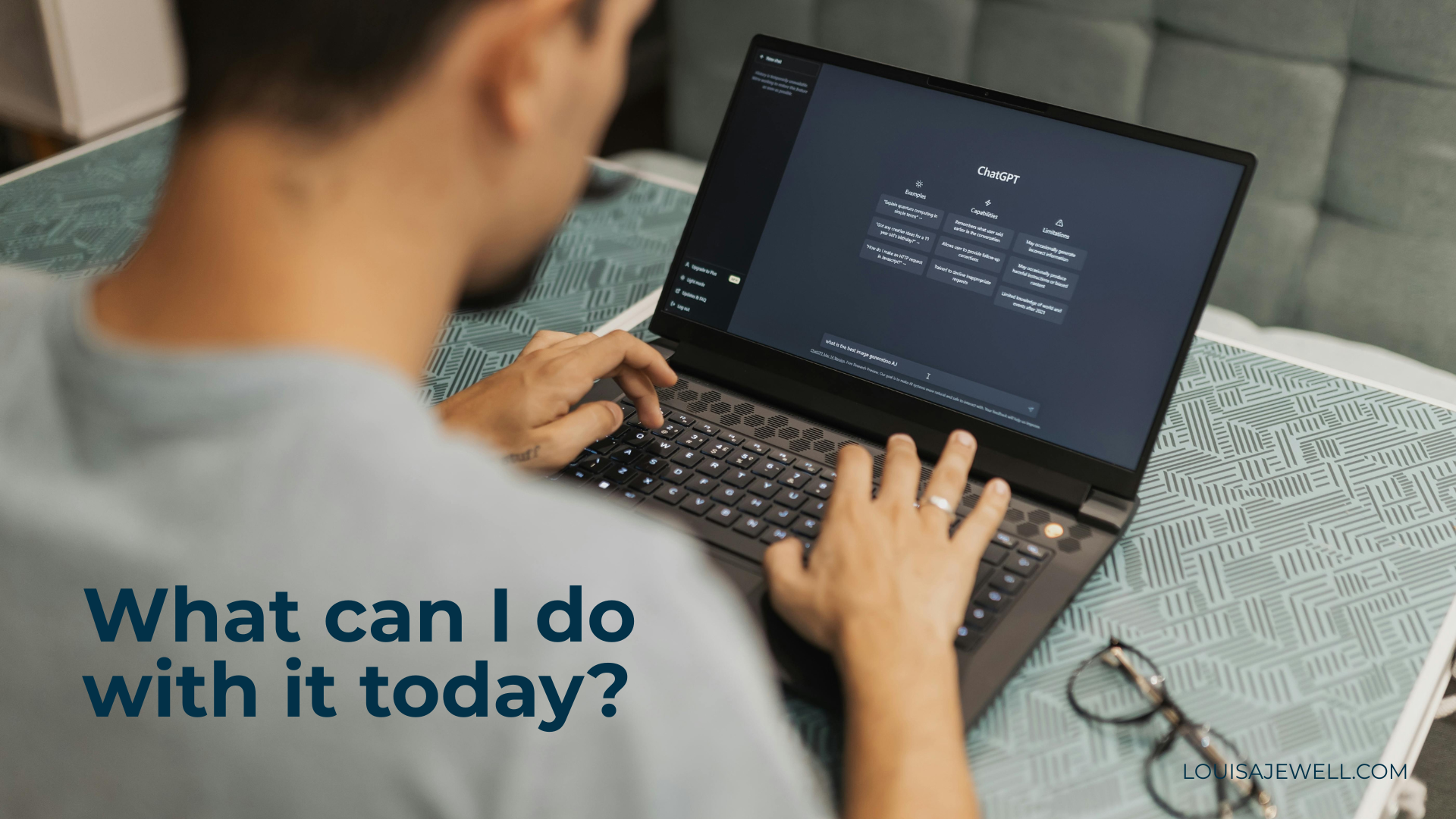
This question is not particularly interested in debating whether AI will change civilization. It wants to know how it will impact you today.
Could AI help an engineer analyze information faster? Help a small business compete with a much larger one? Give a teacher more time with students? Remove hours of administrative work?
From this perspective, perhaps we're spending too much time debating AI in the abstract and not enough time figuring out where it can genuinely make people's lives better.
I find that perspective appealing.
But then comes a different set of questions.
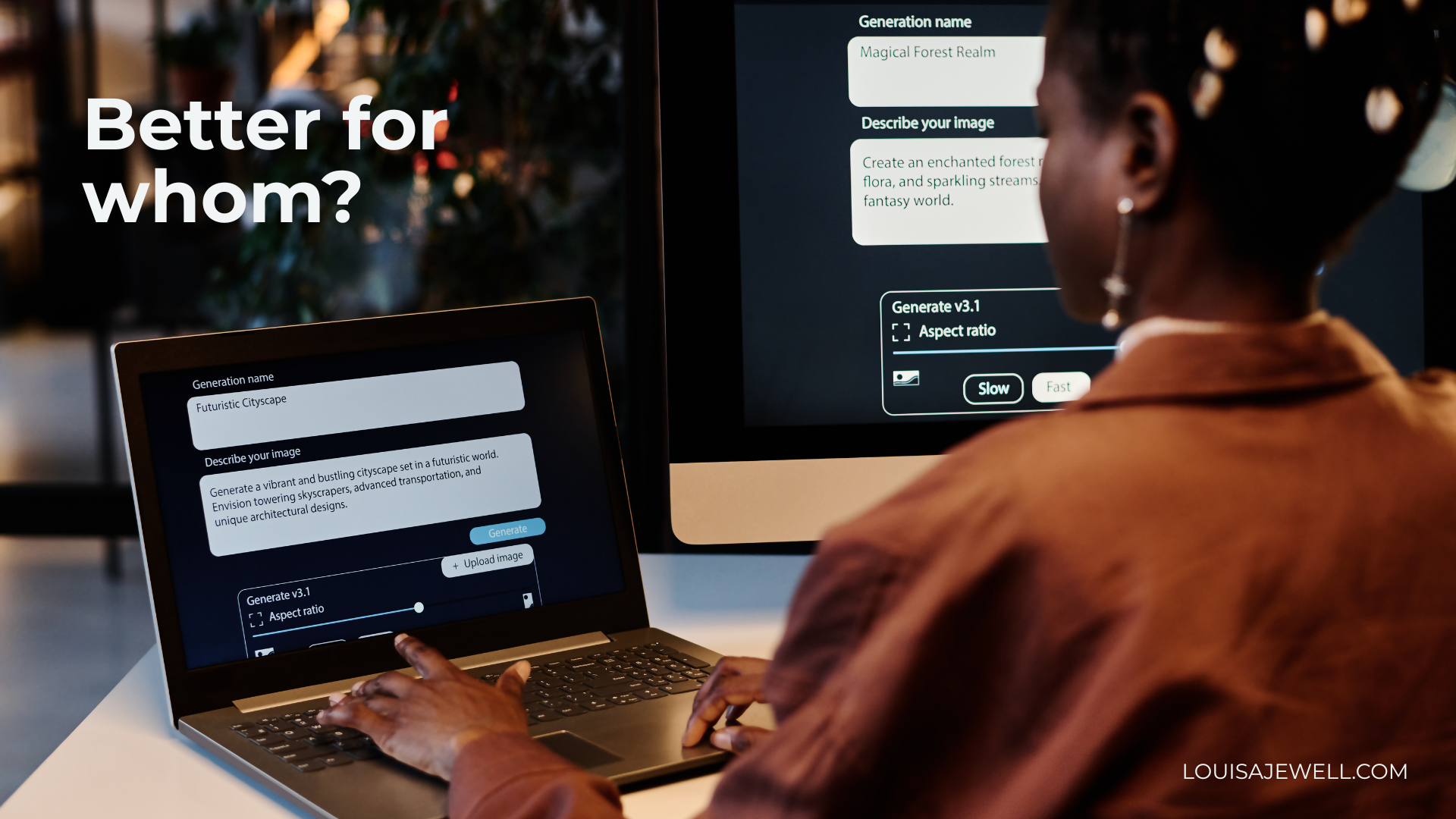
Who created the data these systems learned from?
Who benefits financially?
What happens to the information we're feeding into these systems every day?
What impact is this having on the environment?
Suddenly, “Let's just focus on how AI can make people's lives better” doesn't feel like enough.
Because making people's lives better is a worthy goal. But it doesn't absolve us from asking who benefits, who bears the risks, and what we may be giving up along the way.
And that's exactly the point.
Some of the questions we ask go much further outside our everyday conversations about AI.
Then the questions get stranger
Some of the questions we ask go much further outside our everyday conversations about AI.
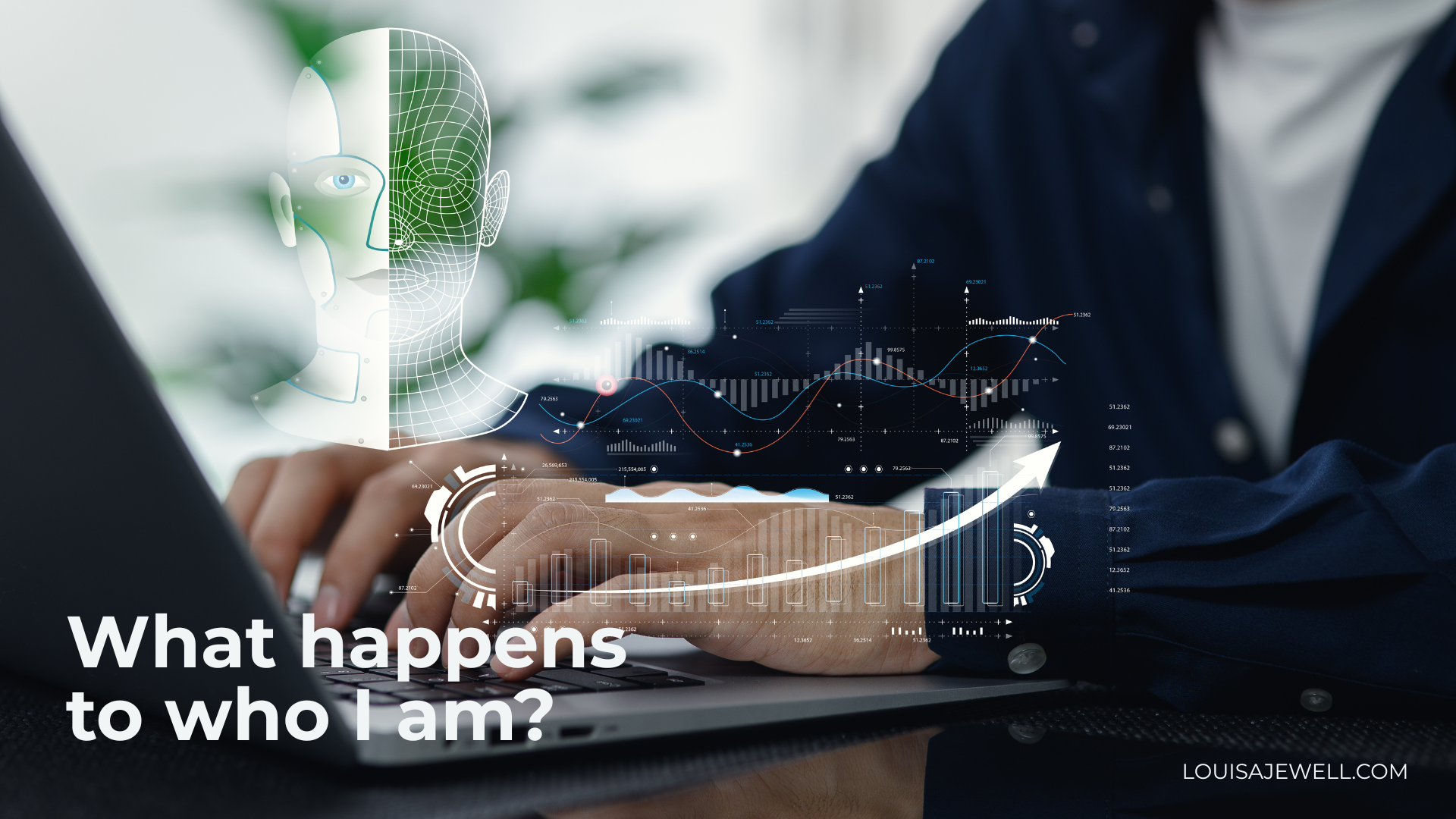
This perspective asks us to imagine that AI and automation eventually become capable of doing an enormous proportion of the work humans currently perform.
At first, that sounds wonderful.
Imagine only working 15 hours a week instead of 40.
But then I started to question…
Who receives the wealth generated by all that automated productivity?
And then from a well-being perspective:
My career has given me identity, status, relationships, challenge and a sense of purpose. So what happens when society no longer needs me?
I don't know.
I mean, I derive a great deal of daily satisfaction from my work.
As someone who has studied well-being for over two decades, I’m not sure this would actually be good for any of us.
As human beings, creating a life with meaning and purpose is an important contributor to positive mental health.
Here’s how I see it
There’s another way to ask the same question, and it points somewhere very different. For me, it’s not about human versus machine.
It’s more about Human + machine.
The leaders I work with aren't looking for another strategy to execute. They're looking to build the kind of psychological adaptability that keeps them from being derailed when their old thinking stops working.
If that is where you want to go, I would love to help you get there.
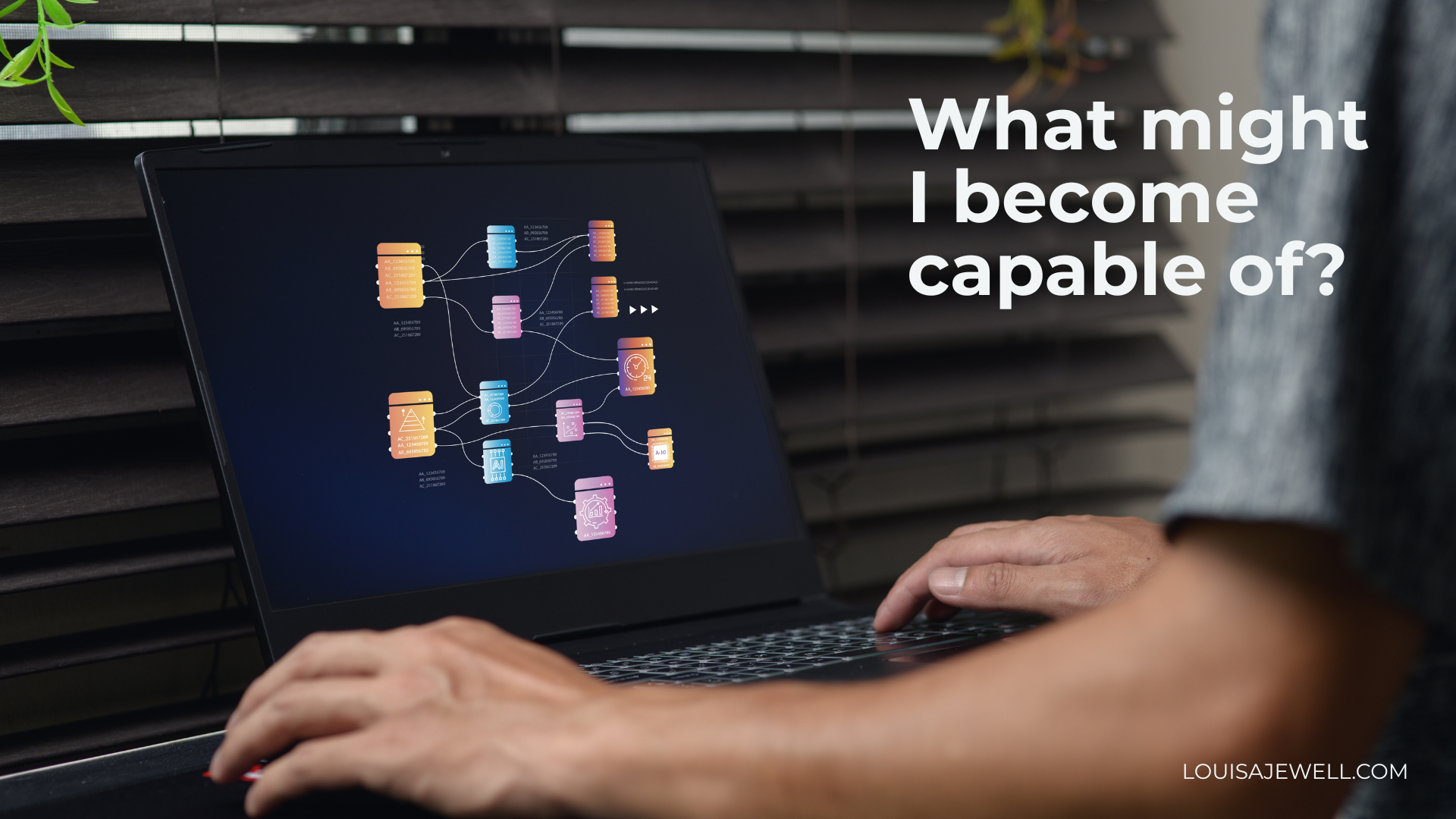
When AI extends my ability to research, create, analyze, learn or solve problems, what else could I do?
I find that possibility enormously exciting because I have seen how it has augmented my own work.
Two very different answers. Same underlying question: what happens to who I am, as work and capability both change?
But then another question interrupts.
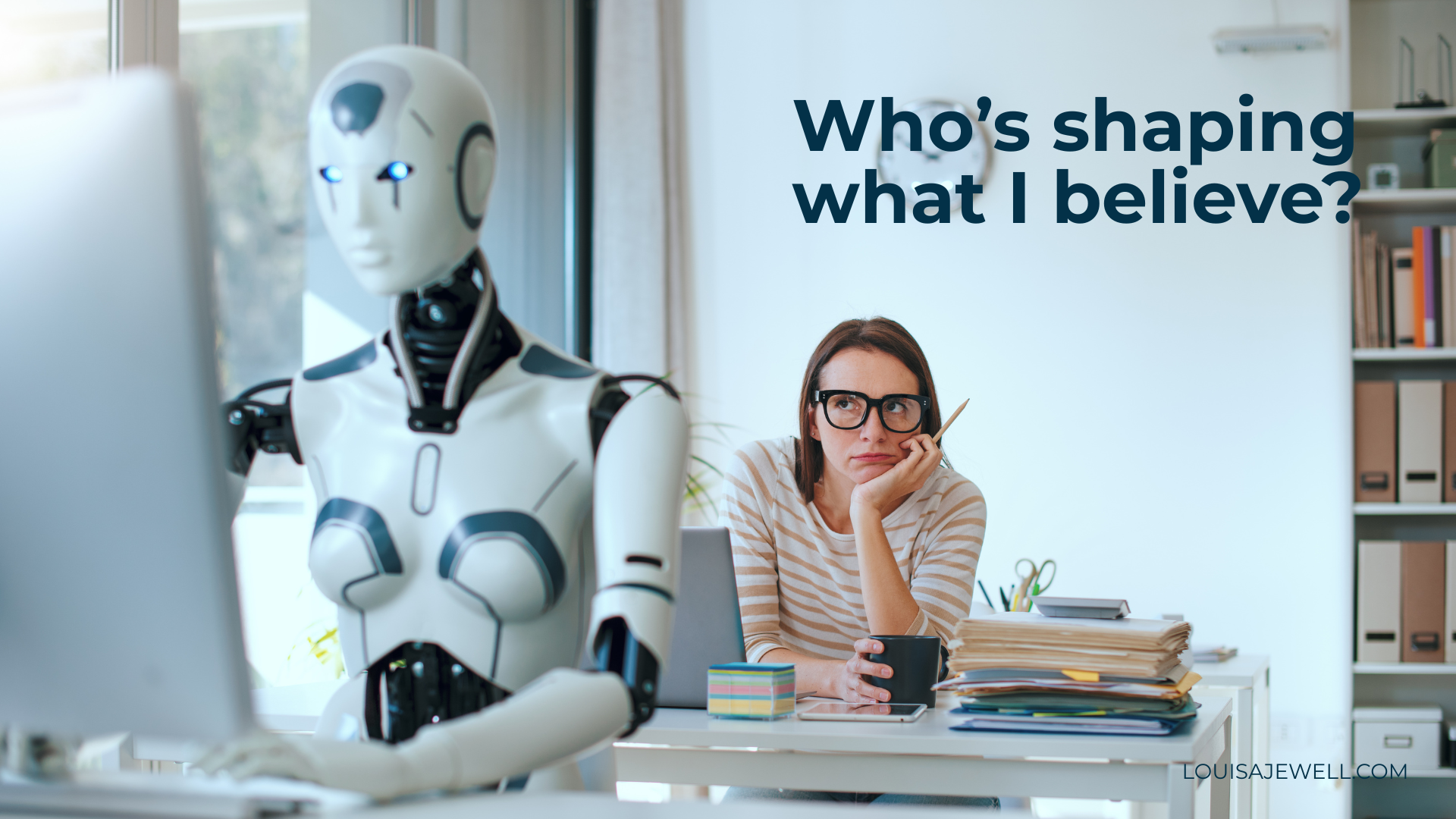
What happens when AI doesn't simply help us think - but begins influencing what we believe?
By now, AI knows a lot about my fears, hopes, relationships, history and vulnerabilities.
I talk to it every day.
I ask it for advice - both personal and professional.
At what point does a tool begin influencing our identity, values and understanding of ourselves?
That question gives me considerably more pause because the answer is not obvious.
Even scarier is this idea that a handful of enormous corporations or governments control the world's most powerful AI, and they have all of this information.
Perhaps powerful AI should be open and available to everyone.
That sounds democratic.
Until you consider the other side.
If incredibly powerful AI is available to everyone, it is also available to people who want to use it badly.
So which should concern us more?
AI concentrated in the hands of a few—or AI placed in the hands of everyone?
I don't know.
And increasingly, I'm becoming comfortable saying that.
Maybe "I don't know" is a useful place to begin
To me, AI stewardship isn't about finding the perfect position somewhere in the middle.
And it certainly isn't about pretending every claim about AI is equally credible.
It's about developing the capacity to hold competing possibilities long enough to examine them.
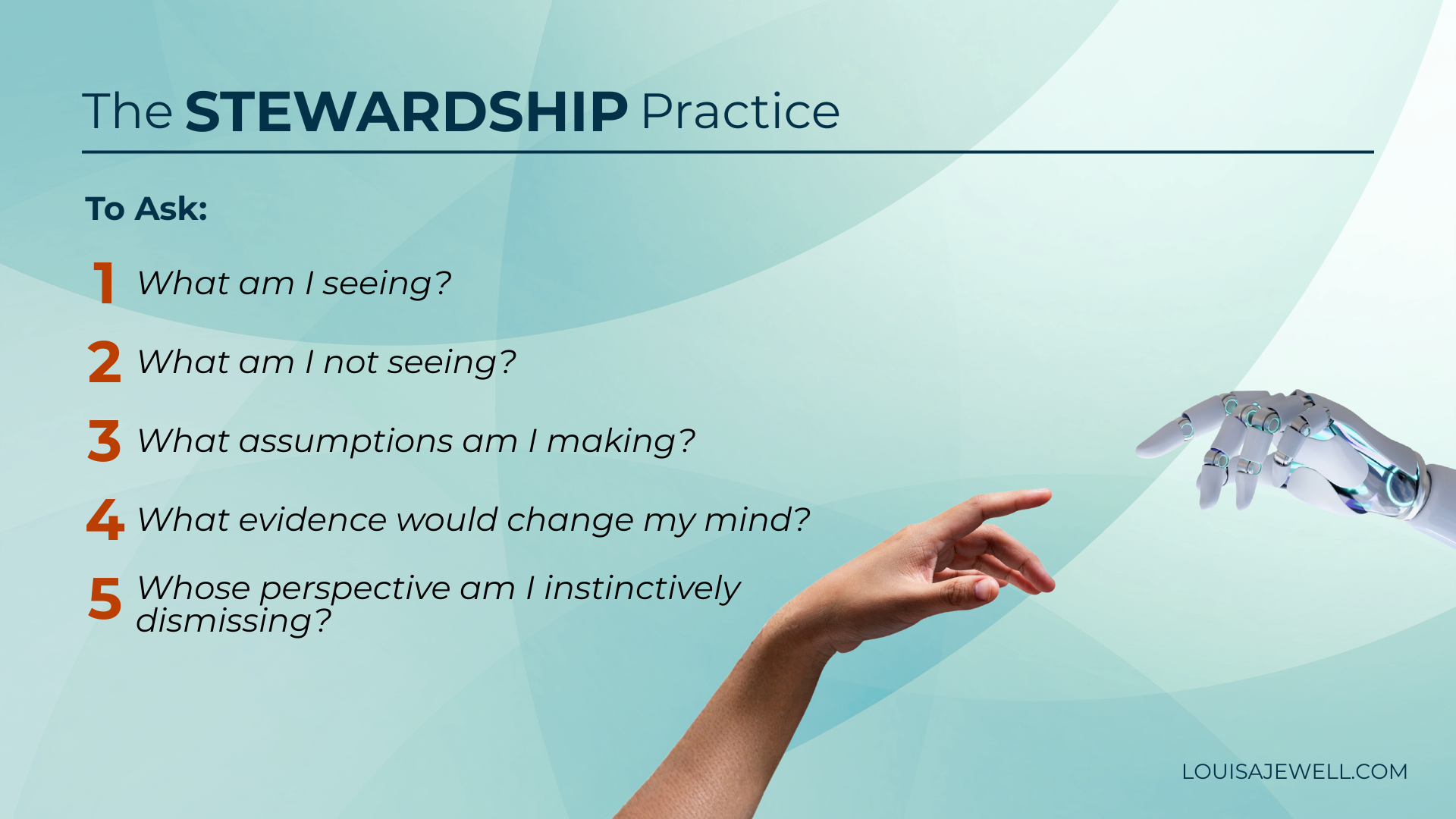
That requires something I’m spending a lot of time thinking about today: psychological adaptability.
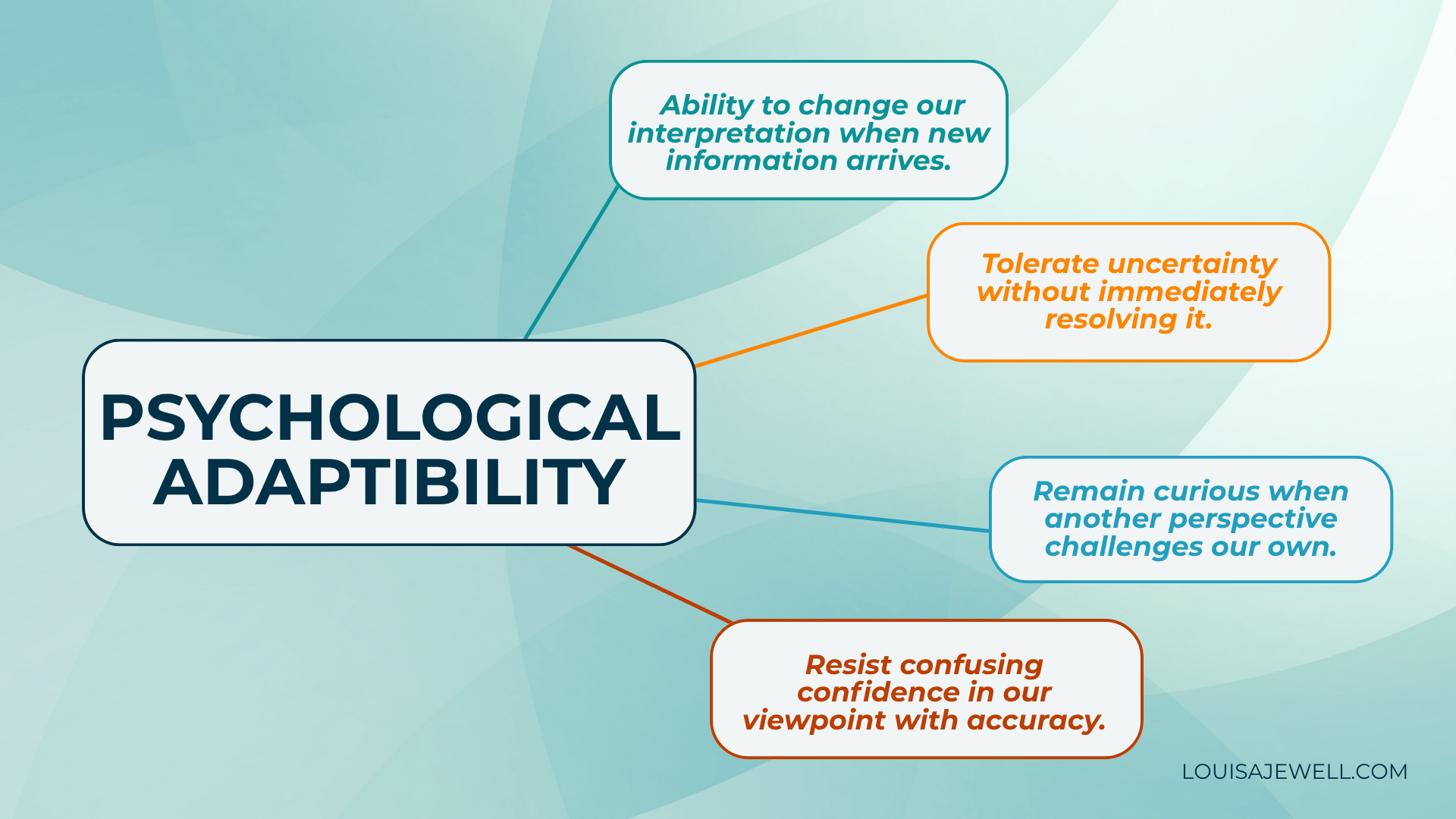
The ability to change our interpretation when new information arrives.
To tolerate uncertainty without immediately resolving it.
To remain curious when another perspective challenges our own.
And perhaps most importantly, to resist confusing confidence in our viewpoint with accuracy.
AI is developing extraordinarily quickly.
None of us knows exactly where this is going.
So here's an experiment.
Think about your own perspective on AI.
Which of these four questions do you reach for first, and which do you instinctively resist?
What might you notice if, for just ten minutes, you sat with the question you resist instead of the one you naturally reach for?
You don't have to agree with where it leads.
You may come away more convinced of your original position.
But you might also see something that wasn't visible from where you were standing.
And perhaps that's where responsible AI stewardship begins.
So I'd love to hear from you: Which of these questions stretched your thinking the most or made you a little uncomfortable?
I suspect the questions we resist most may have something interesting to teach us.
AND…I used AI to help me with this article. I’m curious to know what your thoughts are on that too!